
Complete Guide to Hip Replacement Surgery
Hip replacement surgery can significantly improve your quality of life by reducing pain and restoring mobility. From pre-op assessments to post-op home care, our team at Joint Robo keeps hip replacements precise and stress-free.
Before Surgery: Pre-Operative Preparation
Proper preparation is key to a successful hip replacement surgery. Here's what to expect:
Medical Evaluations
- Complete physical examination and medical history review
- Blood tests and other diagnostic studies
- Assessment of cardiovascular health
- Review of current medications
Pre-Operative Education
- Detailed explanation of the surgical procedure
- Discussion of risks and benefits
- Overview of recovery timeline and expectations
- Instruction on post-operative exercises and precautions
Home Preparation
- Arrange for help at home during initial recovery
- Prepare your living space for safety and accessibility
- Stock up on necessary supplies and medications
- Plan for transportation to and from the hospital
During Surgery: What Happens
The hip replacement procedure typically follows these steps:
The Procedure
- Anesthesia: You'll receive general or regional anesthesia to ensure comfort
- Incision: The surgeon makes an incision to access the hip joint
- Removal: Damaged bone and cartilage are removed
- Implantation: Artificial components are precisely placed
- Closure: The incision is closed with sutures or staples
Surgery Duration
Most hip replacement surgeries take 1-2 hours, with additional time for preparation and recovery from anesthesia.
Precision Techniques
At Joint Robo, we use advanced techniques including robotic-assisted surgery for optimal precision and faster recovery.
After Surgery: Recovery and Rehabilitation
Post-operative care is crucial for a successful outcome. Here's what to expect:
Hospital Stay (1-3 Days)
- Pain management through medication
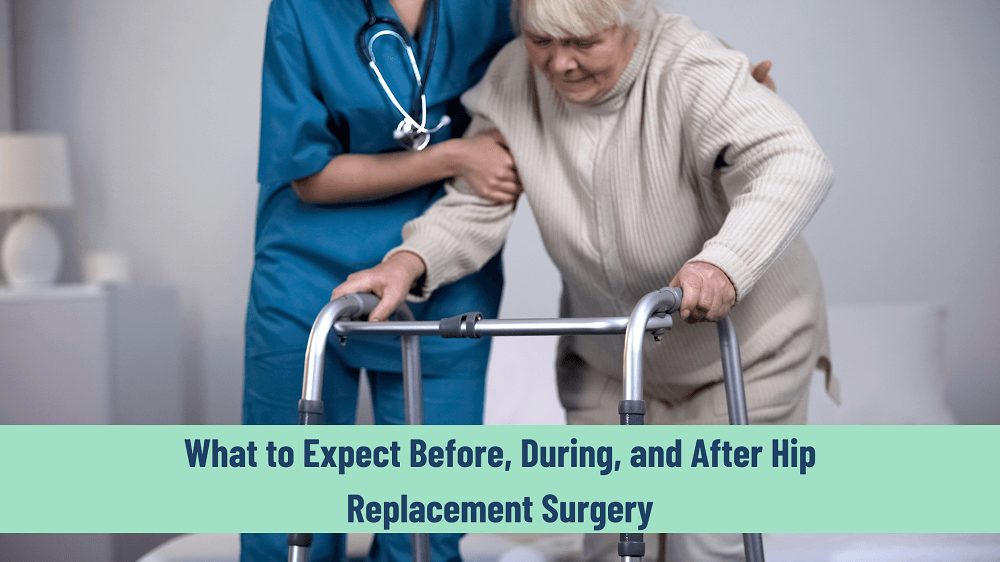
- Early mobilization with assistance
- Physical therapy sessions begin
- Monitoring for any complications
- Education on hip precautions and exercises
First Few Weeks at Home
- Continue prescribed medications as directed
- Perform recommended exercises regularly
- Follow hip precautions to prevent dislocation
- Gradually increase walking distance
- Attend follow-up appointments
Ongoing Recovery (3-6 Months)
- Progressive strengthening exercises
- Return to daily activities
- Gradual return to work (depending on job type)
- Continued physical therapy as needed
Home Care Tips
Proper home care accelerates recovery and prevents complications:
Hip Precautions
- Avoid crossing your legs
- Don't bend your hip beyond 90 degrees
- Use assistive devices as recommended
- Sleep with a pillow between your legs
Wound Care
- Keep the incision clean and dry
- Watch for signs of infection
- Follow specific instructions from your surgeon
Exercise Program
- Perform exercises as prescribed by your physical therapist
- Start slowly and gradually increase intensity
- Don't skip therapy sessions
When to Contact Your Doctor
Contact your surgeon immediately if you experience:
- Severe pain that doesn't respond to medication
- Signs of infection (fever, redness, drainage)
- Sudden swelling or significant bruising
- Chest pain or difficulty breathing
- Concerns about your recovery