What Is Total Knee Replacement?
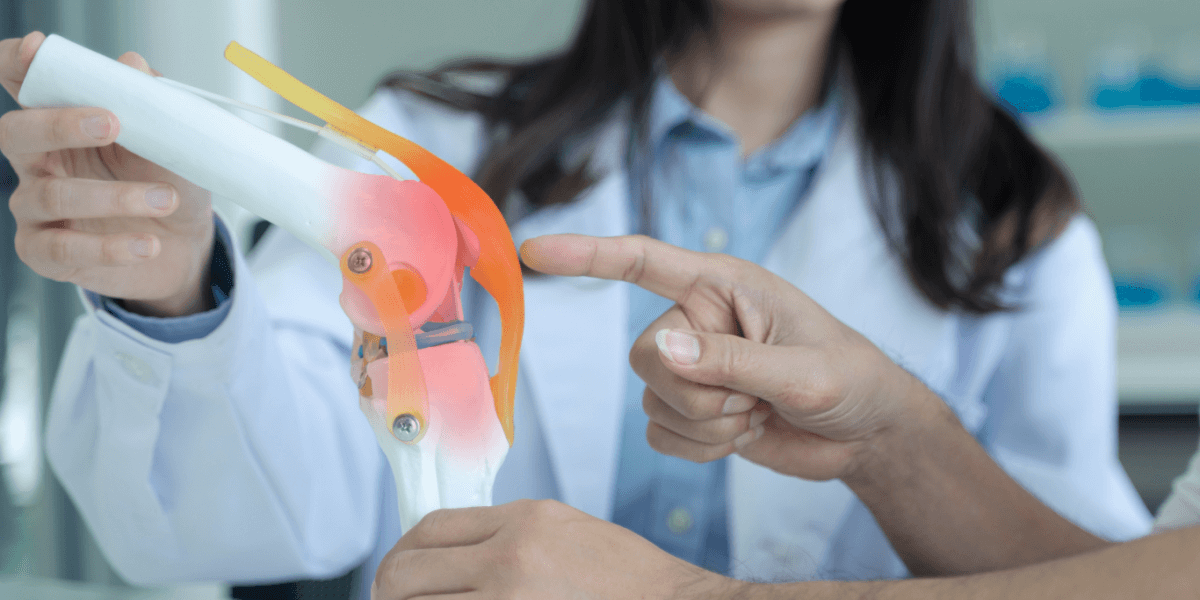
Total knee replacement replaces the damaged surfaces of the femur, tibia, and patella with smooth implants that mimic joint motion. Joint Robo uses CT-based navigation and intraoperative ligament sensors to equalise gaps before bone cuts, yielding a stable knee that bends, straightens, and bears weight naturally.
Total Knee System Options
- Cruciate-Retaining (CR): Keeps the posterior cruciate ligament intact for patients with good native stability.
- Posterior-Stabilised (PS): Uses a cam-post design to replace deficient ligaments and support deep flexion activities.
- High-flex & gender-specific implants: Custom profiles match bone shape and allow maximum bend for cultural or athletic needs.
- Robotic revision systems: Reserved for complex deformities or previously operated knees needing restoration.
When Is Total Knee Replacement Recommended?
TKR is offered when non-surgical care no longer controls pain, swelling, or deformity. Candidates typically experience night pain, difficulty climbing stairs, and reduced walking distance despite medications, injections, and physiotherapy.
- Tricompartmental osteoarthritis: Diffuse cartilage loss causing bone-on-bone friction.
- Inflammatory arthritis: Rheumatoid or psoriatic disease leading to joint destruction.
- Post-traumatic damage: Malunited fractures, ligament injuries, or meniscus loss altering biomechanics.
- Failed previous surgeries: Persistent pain after osteotomy, partial replacement, or ligament reconstructions.
Preoperative optimisation of weight, blood sugar, and bone health further improves implant longevity and patient satisfaction.
Total Knee Replacement Workflow
Joint Robo’s surgical team follows a structured pathway to ensure precision, safety, and a predictable recovery.
- Comprehensive planning: CT scans and EOS alignment studies determine bone cuts, implant size, and ligament balance targets.
- Robotic bone preparation: The automatic arm executes cuts with 0.5 mm tolerance while surgeons monitor soft tissues.
- Trial and balance: Sensor-enabled trials confirm equal gaps in extension and flexion, reducing the need for releases.
- Final implantation: Components are cemented or press-fitted, followed by meticulous haemostasis and layered closure.
Benefits of Robotic TKR
- Predictable pain relief: Eliminates arthritic grinding so patients regain sleep and endurance.
- Balanced motion: Soft-tissue sensors ensure equal tension, reducing instability or stiffness.
- Custom alignment: Implants are positioned to match your lifestyle, sport, or cultural requirements.
- Long-lasting outcomes: High-grade bearings and optimised loading extend implant survival beyond 20 years.
Recovery Roadmap
- Hospital stay: 2 to 3 days with early mobilisation, cryotherapy, and pain control.
- Weeks 1–4: Progressive range-of-motion, quadriceps activation, and gait training with walker or stick.
- Weeks 6–12: Stair climbing, balance drills, and light gym routines for endurance.
- Month 3 onwards: Return to travel, low-impact sports, and long walks after surgeon clearance.
- Annual follow-up: X-rays and functional assessments ensure continued implant health.
Risks and Safeguards
Robotic total knee replacement is highly reliable, yet every patient receives personalised counselling on potential risks.
- Infection: Prevented through laminar air-flow OTs, antibiotic protocols, and optimised glucose control.
- Blood clots: Early walking, pneumatic compression, and medication keep circulation flowing.
- Implant wear: Rare with modern bearings but monitored through periodic imaging.
- Nerve or vessel injury: Navigated using protective retractors and real-time imaging.
- Residual stiffness: Addressed with supervised physiotherapy, manual therapy, and home exercises.
Joint Robo’s enhanced recovery programme, infection surveillance, and tele-rehab follow-ups help patients maintain confidence long after hospital discharge.