
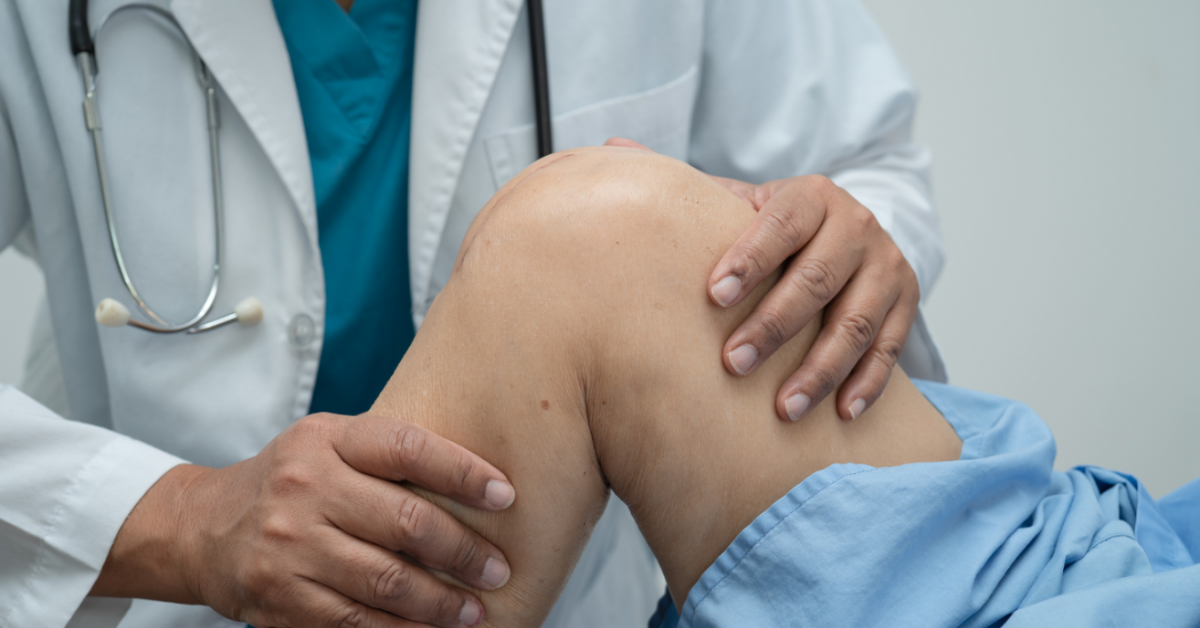
What Is Hip Replacement?
Total hip replacement replaces the damaged femoral head and acetabulum with smooth prosthetic components. Robotic planning recreates joint centre, offset, and leg length precisely, while muscle-sparing approaches minimise blood loss and allow early walking.
Hip Implant Choices
- Ceramic-on-ceramic: Ultra-low wear pairings suited for younger, active patients.
- Ceramic-on-polyethylene: Highly durable and forgiving for a wide range of ages.
- Dual mobility cups: Provide extra stability for patients at risk of dislocation.
- Short-stem prostheses: Preserve bone stock in early-stage disease or smaller femurs.
When Do We Recommend Hip Replacement?
The procedure is advised when hip pain disrupts sleep, work, or mobility despite medications, injections, and physiotherapy.
- Primary osteoarthritis: Degenerative wear causing stiffness and groin pain.
- Avascular necrosis (AVN): Loss of blood supply leading to femoral head collapse.
- Rheumatoid or ankylosing spondylitis: Inflammatory destruction of cartilage and bone.
- Complex fractures: Neck of femur or acetabular injuries not amenable to fixation.
Detailed CT templating and EOS alignment studies ensure implants replicate your natural biomechanics.
Hip Replacement Procedure
A structured workflow keeps surgery precise and predictable.
- Planning: 3D templating determines cup version, stem size, and leg-length goals.
- Approach selection: Posterior, lateral, or mini-anterior approach chosen based on anatomy.
- Component placement: Robotic or navigation guidance ensures ideal cup inclination and femoral alignment.
- Stability testing: Range-of-motion and impingement checks verify secure fixation before closure.
Benefits of Modern Hip Arthroplasty
- Immediate pain relief: Eliminates grinding and groin pain caused by arthritic bone.
- Equal leg lengths: Digital templating corrects discrepancies and improves posture.
- Broad activity range: Patients return to walking, cycling, travel, and low-impact sports.
- Longevity: Advanced bearings and precise alignment provide 20+ years of service life.
Recovery Expectations
- Hospital stay: 2 to 3 days with early mobilisation and pain control.
- Week 1–3: Walker assistance, hip precautions, and gentle strengthening exercises.
- Week 4–8: Transition to cane, stair training, and core stability work.
- Month 3 onwards: Return to driving, desk work, swimming, and stationary cycling.
- Long-term: Annual reviews track cup position, bone density, and function.
Risks and Prevention
Hip replacement is highly successful, and our team follows stringent protocols to mitigate risks.
- Infection: Managed with laminar flow theatres, antibiotics, and strict wound care.
- Dislocation: Prevented through accurate component positioning and patient education.
- Blood clots: Early mobilisation, compression devices, and medication keep circulation optimal.
- Leg-length discrepancy: Digital templating and intraoperative measurements ensure symmetry.
- Implant wear or loosening: Reduced by using high-quality materials and regular follow-up imaging.
Preoperative optimisation of bone health, nutrition, and endocrine status further elevates safety and durability.