
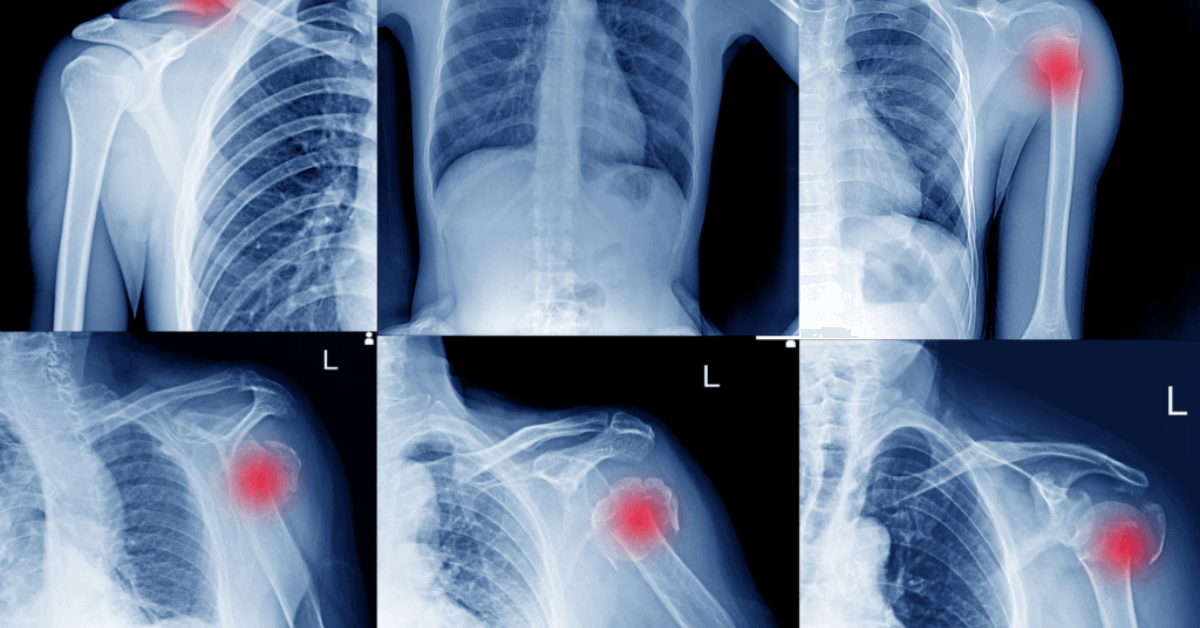
What Causes Shoulder Instability?
Repeated dislocations stretch or tear the labrum, capsule, and sometimes bone on the glenoid or humeral head. Without repair, the shoulder continues to slip out during sport, sleep, or daily activities. Joint Robo identifies the exact instability pattern and repairs damaged tissue so you can trust your shoulder again.
Treatment Techniques
- Arthroscopic Bankart repair: Reattaches the labrum and tightens the capsule for soft-tissue instability.
- Remplissage: Fills engaging Hill-Sachs lesions to prevent re-dislocation.
- Latarjet procedure: Transfers coracoid bone to augment the glenoid when bone loss exceeds 15–20%.
- Capsular plication: Addresses multidirectional laxity for swimmers, gymnasts, and hypermobile individuals.
Who Needs Surgical Stabilisation?
Surgery is recommended when instability recurs despite physiotherapy or when structural damage is evident on imaging.
- Athletes with recurrent dislocations: Particularly throwers, contact-sport players, and soldiers.
- First-time dislocations with large labral tears: Early repair prevents chronic instability.
- Bone loss cases: Significant glenoid or humeral head defects needing augmentation.
- High-risk occupations: Jobs requiring overhead or heavy work where instability is hazardous.
3D CT scans, MRI arthrograms, and instability scoring (ISIS) determine the best surgical plan for long-term stability.
Stabilisation Workflow
Precision techniques ensure durable fixation and smooth recovery.
- Arthroscopic evaluation: Cameras assess labrum, capsule, biceps anchor, and rotator cuff.
- Labral repair: Suture anchors recreate the bumper along the glenoid rim.
- Adjunct procedures: Remplissage or Latarjet performed when bone loss is significant.
- Capsular tensioning: Tailored to sport and laxity to maintain motion without sacrificing stability.
Benefits of Specialist Care
- Lower recurrence: Tailored procedures match the exact instability pattern.
- Return to sport: Athletes resume overhead play with confidence and objective testing.
- Bone preservation: Early repair prevents progressive bone loss and cartilage damage.
- Comprehensive rehab: Scapular control and rotator cuff strength programs prevent future episodes.
Rehab Milestones
- Weeks 0–3: Sling support with wrist, elbow, and gentle pendulum exercises.
- Weeks 4–8: Assisted elevation, external rotation, and scapular stabilisation drills.
- Months 3–4: Strengthening, proprioception, and sport-specific patterns.
- Months 5–6: Return-to-throw or contact sport protocols with objective testing.
- Long-term: Maintenance programmes keep the capsule strong and flexible.
Risks & Prevention
Our high-volume arthroscopy unit minimises complications through meticulous planning.
- Re-dislocation: Reduced by matching procedure to bone loss and enforcing rehab milestones.
- Stiffness: Managed with progressive stretching and adherence to physiotherapy.
- Nerve injury: Rare with careful portal placement and nerve monitoring, especially during Latarjet.
- Hardware irritation: Low-profile anchors and countersunk screws limit prominence.
- Infection: Prevented through strict asepsis and perioperative antibiotics.
We provide detailed home-care guidelines and emergency access to our team so you feel supported every step of the way.