What Is Shoulder Replacement?
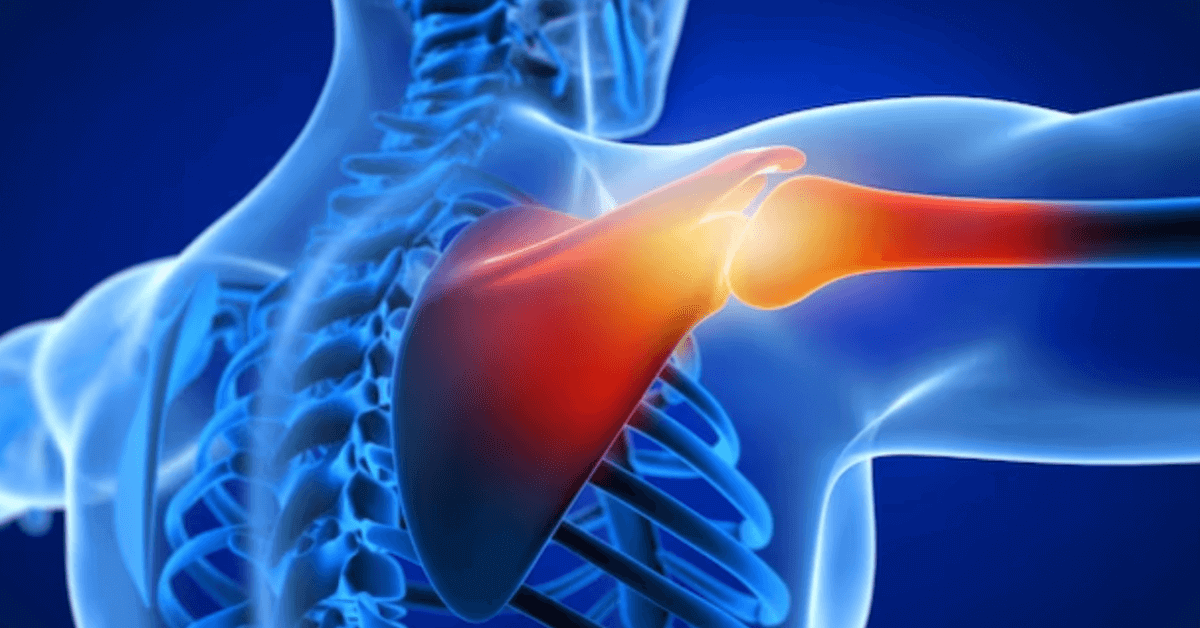
Shoulder replacement substitutes damaged humeral head and glenoid surfaces with prosthetic components, relieving pain and improving range-of-motion. Anatomic implants mirror natural anatomy when the rotator cuff is functional, whereas reverse designs shift the centre of rotation to compensate for cuff deficiency.
Shoulder Implant Options
- Anatomic Total Shoulder: For patients with intact rotator cuffs and primary osteoarthritis.
- Reverse Shoulder Arthroplasty: Ideal for cuff tear arthropathy, revisions, or fractures with cuff deficiency.
- Hemiarthroplasty: Used selectively for young patients with isolated humeral head damage.
- Patient-specific instrumentation: 3D-printed guides ensure accurate glenoid component placement.
Indications for Surgery
Shoulder replacement is recommended when pain and stiffness limit dressing, grooming, or overhead work despite medication, physiotherapy, and injections.
- Primary or secondary osteoarthritis: Joint space narrowing with osteophytes and night pain.
- Rotator cuff tear arthropathy: Superior migration of the humeral head with irreparable cuff tears.
- Complex proximal humerus fractures: Multi-fragment injuries in older adults.
- Failed previous surgeries: Recurrent dislocations or implant loosening requiring revision.
CT-based planning quantifies glenoid version, bone loss, and humeral retroversion to tailor the implant strategy.
Surgical Workflow
A meticulous technique ensures reliable pain relief and joint mechanics.
- 3D templating: Determines glenoid augments, screw length, and humeral stem size.
- Deltopectoral approach: Protects the axillary nerve while providing excellent exposure.
- Component positioning: Guides ensure glenoid version correction and central screw purchase.
- Stability testing: Range-of-motion assessment confirms balanced soft tissues before closure.
Benefits
- Pain relief: Eliminates grinding and deep joint ache.
- Improved function: Restores the ability to lift, reach shelves, and perform daily tasks.
- Enhanced strength: Reverse designs harness the deltoid to compensate for cuff weakness.
- High satisfaction: Modern implants achieve excellent survival at 10–15 years.
Recovery Milestones
- Hospital stay: 2 to 3 days with pain control via regional blocks.
- Weeks 1–3: Sling support with early elbow, wrist, and pendulum exercises.
- Weeks 4–8: Assisted elevation, external rotation, and scapular control drills.
- Months 3–6: Resistance training, sport-specific drills, and gradual return to swimming or golf.
- Long-term: Annual reviews to monitor implant integrity and rotator cuff health.
Risks & Mitigation
Shoulder replacement has predictable outcomes, yet awareness of potential complications is important.
- Infection: Managed with perioperative antibiotics and sterile draping protocols.
- Instability: Avoided through precise soft-tissue balancing and postoperative sling use.
- Nerve irritation: Protected via meticulous dissection around the axillary and musculocutaneous nerves.
- Glenoid loosening: Reduced with correct version, bone grafting, and screw fixation.
- Stiffness: Prevented through early physiotherapy and adherence to home exercise plans.
Comprehensive infection surveillance and tailored rehab keep complication rates extremely low at Joint Robo.