
Advanced Orthopedic Care

Knee Arthroscopy Surgery

Comprehensive surgical expertise and compassionate rehab support in Kharghar.

Knee Arthroscopy Surgeon in Kharghar

What is Knee Arthroscopy Surgery?

Knee arthroscopy surgery is a highly effective medical procedure that serves as a minimally invasive solution for a wide range of knee injuries, including ACL, PCL, and meniscus tears. This innovative technique allows orthopedic specialists to diagnose and treat knee problems with precision, offering numerous advantages for patients seeking relief.

Understanding Knee Arthroscopy

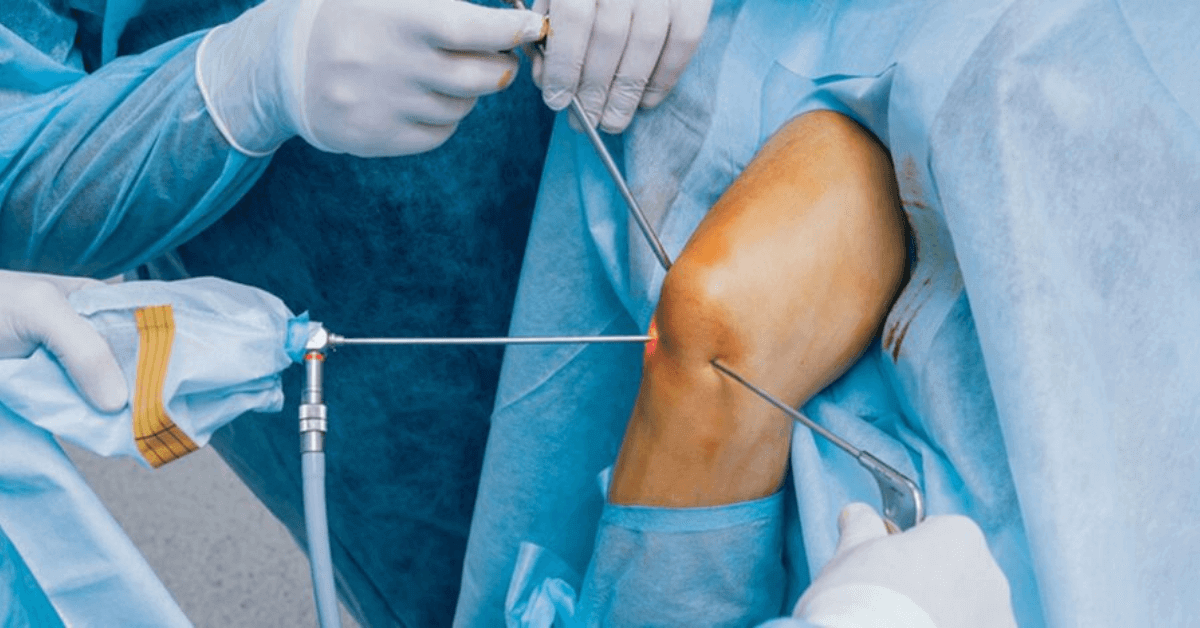
Knee arthroscopy is a technique that enables orthopedic surgeons to closely examine and treat knee injuries with minimal disruption. The procedure involves the use of a small arthroscope, a slender device equipped with a camera, which is inserted through a tiny incision. This allows surgeons to obtain a clear view of the inside of the knee. The knee is filled with fluid to facilitate the process, and the arthroscope transmits images to a monitor. Additional small incisions are made to introduce specialized instruments for the repair or removal of damaged tissues. Most knee arthroscopy procedures are performed on an outpatient basis, leading to faster and smoother recovery compared to traditional open knee surgeries.

What are the Benefits of Knee Arthroscopy Surgery?

Knee arthroscopy surgery offers several benefits:

  • Minimal Scarring: The small incisions result in minimal scarring, which is cosmetically appealing and less uncomfortable for patients.
  • Reduced Post-Operative Pain: Patients experience less post-operative pain compared to traditional open knee surgeries.
  • Quicker Recovery: Recovery is typically faster and more manageable, allowing patients to return to their daily activities sooner.
  • Improved Outcomes: The minimally invasive nature of knee arthroscopy contributes to better patient outcomes.
  • Versatility: This technique is employed in diagnosing and treating various knee injuries, such as ACL, PCL, and meniscus tears.

Whether you're dealing with a specific knee injury or other knee-related problems, knee arthroscopy surgery is an advanced and versatile solution for accurate diagnosis and precise treatment. It offers patients a quicker recovery and the prospect of an improved quality of life.

Frequently Asked Questions

Knee replacement surgery typically takes about 1 to 2 hours. However, the total time spent at the hospital may be longer due to preparation and recovery time. The exact duration can vary based on individual factors and the complexity of the surgery.

Recovery time after knee replacement surgery varies for each individual. Most patients can expect to stay in the hospital for 1 to 3 days and begin walking with assistance within 24 to 48 hours. Full recovery typically takes 6 to 12 weeks for returning to normal daily activities, with complete healing and strength restoration taking up to 6 months to a year with proper rehabilitation and physical therapy.

Yes, physical therapy is an essential part of the recovery process after knee replacement surgery. Physical therapy typically begins within 24 to 48 hours after surgery and continues for several weeks or months. It helps restore strength, flexibility, and range of motion in the knee joint, ensuring optimal recovery and long-term success of the procedure.

Like any surgical procedure, knee replacement surgery carries some risks, though they are relatively rare. Potential risks include infection, blood clots, nerve or blood vessel damage, implant loosening or wear, stiffness, and persistent pain. However, these complications are uncommon, especially when the procedure is performed by an experienced orthopedic surgeon and followed by proper postoperative care and rehabilitation.

Yes, many patients can return to sports and physical activities after knee replacement surgery, though the type and intensity of activities should be discussed with your surgeon. Low-impact activities such as walking, swimming, cycling, golf, and doubles tennis are generally recommended and can be resumed once your surgeon clears you, typically after 3 to 6 months. High-impact sports and activities that involve jumping or running may need to be avoided or modified to protect the implant and ensure its longevity.