
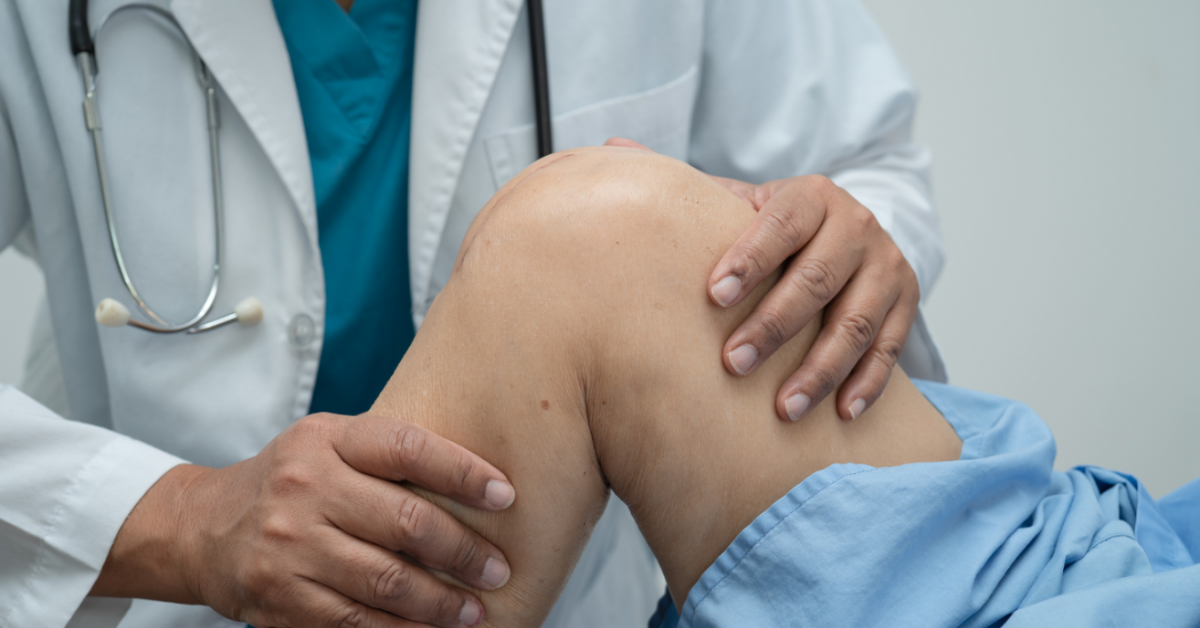
What Is Knee Replacement?
Knee replacement, also known as knee arthroplasty, is a surgical procedure in which a damaged or worn-out knee joint is replaced with an artificial implant. The knee joint is made up of bones, cartilage, and ligaments that work together to allow smooth and pain-free movement. Over time, injuries, aging, or diseases like arthritis can damage these structures, leading to pain, stiffness, and limited mobility. Knee replacement surgery aims to restore function and alleviate pain, improving the patient’s quality of life.
Types of Knee Replacement
- Total Knee Replacement (TKR): Replaces the entire knee joint, including the femur, tibia, and patella, to restore full joint function.
- Partial Knee Replacement (PKR): Targets only the damaged portion of the knee, preserving healthy structures when degeneration is localized.
Who Needs Knee Replacement Surgery?
Knee replacement is recommended when chronic pain persists despite medication, physical therapy, or lifestyle changes. Common reasons include:
- Osteoarthritis: Gradual cartilage deterioration that causes joint friction and pain.
- Rheumatoid Arthritis: Autoimmune inflammation that damages joint lining.
- Injuries: Severe fractures or ligament tears that accelerate degeneration.
- Post-traumatic Arthritis: Arthritis that develops after significant knee trauma.
If knee pain restricts daily activities such as walking, climbing stairs, or recreation, surgical intervention can restore comfort and mobility.
The Knee Replacement Procedure
Every surgery begins with a thorough preoperative assessment, including imaging and health evaluations, to plan the safest approach.
- Anesthesia: Administered as general or spinal anesthesia to keep you comfortable throughout the procedure.
- Surgical Approach: A precise incision at the front of the knee provides access for either partial or total replacement.
- Implantation: Damaged bone and cartilage are removed and replaced with metal, plastic, or ceramic components that mimic natural joint movement.
- Closure & Recovery: The incision is closed, and the recovery team begins monitoring, usually over a 1 to 2 hour total surgical duration.
Benefits of Knee Replacement Surgery
- Pain Relief: Eliminates chronic pain caused by damaged tissues.
- Improved Mobility: Restores the ability to walk, climb stairs, and stay active with confidence.
- Enhanced Quality of Life: Enables a return to hobbies and routines without persistent discomfort.
- Long-Term Solution: Modern implants often last 15 to 20 years or more, offering durable results.
Recovery After Surgery
- Hospital Stay: Typically 1 to 3 days, with therapists guiding light exercises immediately.
- Physical Therapy: Structured sessions focus on strengthening muscles and improving flexibility.
- Pain Management: Medications, ice, and elevation support comfort during healing.
- Return to Activities: Light tasks resume in 4 to 6 weeks, while full recovery may take 6 to 12 months.
- Long-Term Care: Follow-up visits monitor implant performance, with revisions only rarely required.
Risks and Complications
While the procedure is generally safe, it is important to understand the possible risks:
- Infection: Meticulous sterilization minimizes this risk, and antibiotics are available if needed.
- Blood Clots: Early mobilization and preventive medication reduce the chance of clots traveling to the lungs.
- Implant Failure: Over many years, components can loosen or wear, occasionally requiring revision surgery.
- Nerve or Vessel Damage: Rare but possible due to the complex anatomy surrounding the joint.
- Stiffness: Some patients may experience limited motion if postoperative exercises are not followed.
- Persistent Pain: Uncommon, yet some individuals may continue to notice discomfort even after healing.
Knee replacement surgery remains a highly effective option for severe pain and limited mobility caused by arthritis or injury. Partnering with an experienced orthopedic surgeon and following a personalized rehabilitation plan greatly improves outcomes and long-term satisfaction.