What Is Subacromial Impingement?
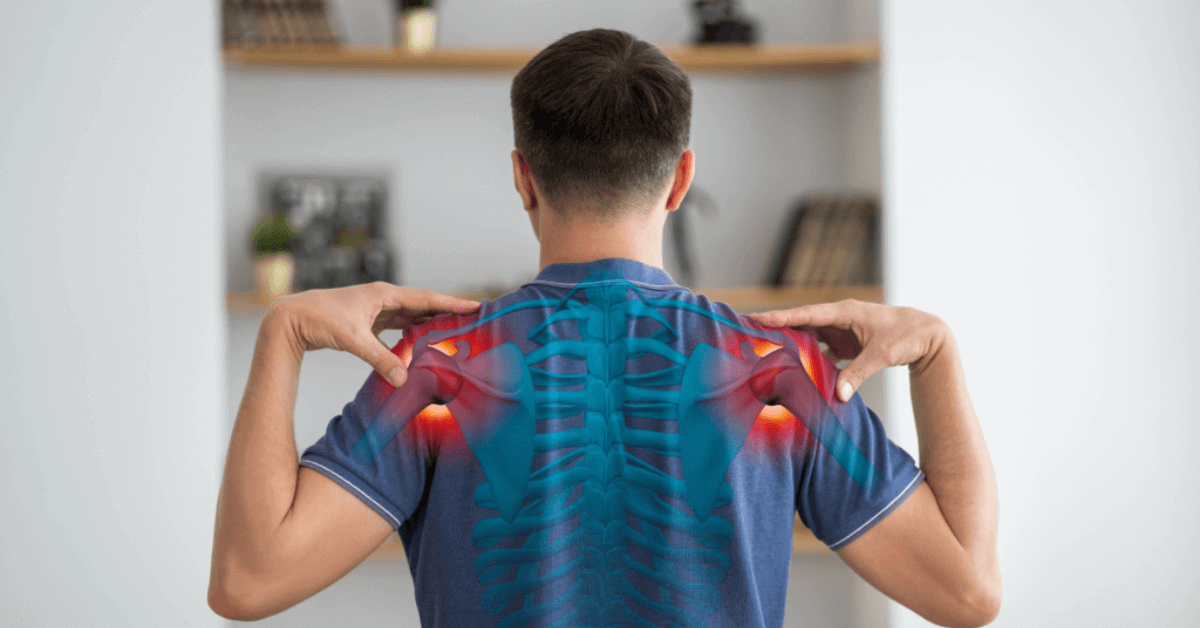
Subacromial impingement occurs when the rotator cuff and bursa are pinched between the humeral head and acromion during elevation. Repetitive overhead activity, poor posture, or bone spurs can inflame the space, causing sharp pain between 60° and 120° of arm elevation. Early treatment restores comfort and prevents cuff tears.
Treatment Options
- Posture and ergonomic coaching: Corrects rounded shoulders and forward head posture.
- Targeted physiotherapy: Strengthens rotator cuff and scapular stabilisers.
- Ultrasound-guided injections: Delivers medication precisely to inflamed bursa.
- Arthroscopic decompression: Smooths acromial spurs and releases tight ligaments when conservative care fails.
When to Seek Treatment
Persistent shoulder pain should not be ignored. Intervention is warranted when:
- Painful arcs persist: Discomfort while combing hair, wearing clothes, or lifting.
- Night pain: Difficulty sleeping on the affected side.
- Loss of strength: Weakness in overhead or reaching tasks.
- Failed physiotherapy: Symptoms remain after structured rehab or medications.
Clinical tests, dynamic ultrasound, and MRI confirm bursitis, cuff irritation, or acromial spurs, guiding tailored care.
Arthroscopic Decompression Process
Minimally invasive surgery is reserved for cases resistant to conservative care.
- Diagnostic arthroscopy: Evaluates rotator cuff, biceps, and acromioclavicular joint.
- Bursectomy: Inflamed bursa is removed to create space and relieve pain.
- Acromioplasty: Bone spurs or hooked acromion edges are shaved smooth.
- Adjunct repairs: Partial cuff tears or calcium deposits are addressed if present.
Benefits of Comprehensive Care
- Rapid pain relief: Targeted injections and decompression free the rotator cuff.
- Improved posture: Scapular retraining encourages healthy mechanics.
- Return to activity: Patients resume work, sports, and fitness without fear.
- Prevents cuff tears: Addressing impingement early protects tendons from degeneration.
Rehab After Decompression
- Week 0–2: Gentle range-of-motion and pendulum exercises; sling for comfort only.
- Week 3–6: Scapular stabilisation, theraband strengthening, and posture drills.
- Month 2–3: Progressive resistance, core integration, and functional lifting.
- Month 4 onwards: Return to swimming, tennis, or gym workouts with proper mechanics.
- Long-term: Ergonomic adjustments and maintenance exercises prevent recurrence.
Risks & Considerations
Subacromial impingement treatments are safe, and potential risks are carefully managed.
- Temporary soreness: Common after injections or decompression, eased with ice and medication.
- Stiffness: Rare when patients follow early mobility exercises.
- Incomplete relief: Additional therapy may be needed if underlying cuff pathology exists.
- Nerve irritation: Meticulous portal placement protects the axillary and suprascapular nerves.
- Recurrence: Prevented by continuing posture correction and strengthening routines.
Our team combines ergonomic coaching, physiotherapy, and surgical expertise to deliver lasting relief.