What Is Joint Replacement?
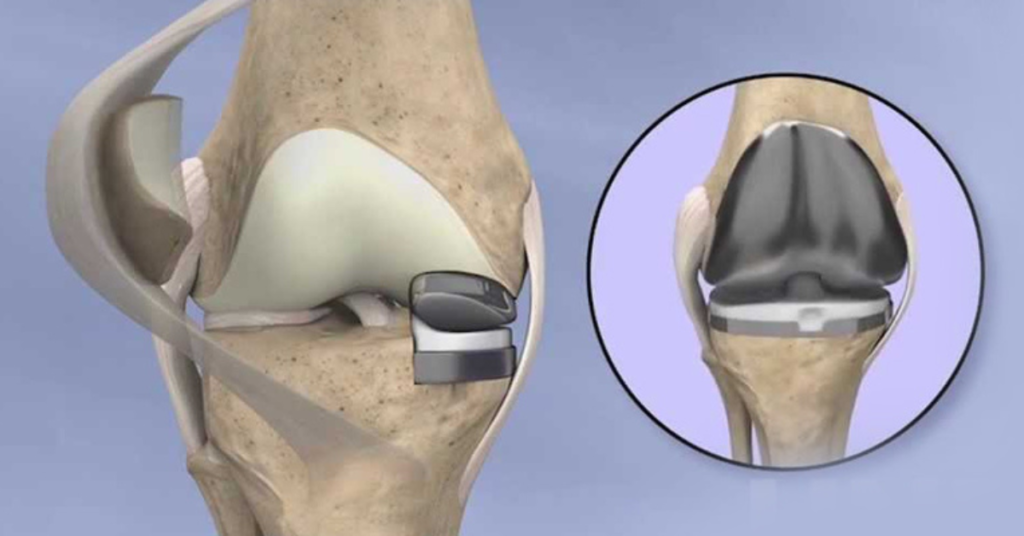
Joint replacement surgery substitutes worn-out cartilage and bone surfaces with smooth metal and high-grade plastic components. This restores alignment and motion, relieves deep arthritic pain, and allows patients to walk, climb stairs, and perform daily activities with confidence.
Types of Joint Replacements We Offer
- Knee replacement: Robotic and computer-assisted implants that optimise ligament balance.
- Hip replacement: Ceramic and highly cross-linked bearings for smooth, long-lasting motion.
- Shoulder replacement: Anatomic and reverse designs tailored to cuff status and bone quality.
- Partial replacements: Unicompartmental or hemiarthroplasty options when only part of the joint is damaged.
Who Is a Candidate for Joint Replacement?
Joint replacement is advised when pain and deformity limit walking, sleep, and basic daily tasks despite non-surgical care.
- Severe osteoarthritis: X-rays showing joint space loss, deformity, and osteophytes.
- Inflammatory arthritis: Rheumatoid or other systemic conditions with joint destruction.
- Avascular necrosis: Collapse of bone in the hip or shoulder causing deep groin or shoulder pain.
- Post-traumatic arthritis: Previous fractures or injuries that have damaged the joint surfaces.
Clinical assessment and imaging help decide the right timing and implant choice so you gain maximum benefit from surgery.
Surgical Workflow & Technology
Modern joint replacement combines precise preoperative planning with advanced instrumentation to deliver predictable outcomes.
- Pre-op planning: X-rays and, when required, CT-based templating to size implants and correct deformity.
- Navigation and robotics: Where applicable, technology guides bone cuts and soft-tissue balance.
- Cemented or uncemented fixation: Chosen based on bone quality, age, and activity level.
- Enhanced recovery: Multimodal pain control and early mobilisation protocols reduce hospital stay.
Benefits
- Powerful pain relief: Eliminates grinding, locking, and constant background pain.
- Improved mobility: Restores the ability to walk longer distances and climb stairs.
- Corrected deformity: Straightens bow-legs or knock-knees and improves posture.
- Long-term durability: Modern implants often last 15–20 years or more with appropriate care.
Recovery Milestones
- Hospital stay: Typically 2–4 days with assisted walking from day one.
- Weeks 1–4: Focus on pain control, range-of-motion, and safe stair climbing.
- Weeks 4–12: Progressive strengthening, balance training, and gait correction.
- Months 3–6: Return to low-impact activities such as cycling, swimming, and brisk walking.
Risks & How We Reduce Them
Joint replacement is highly successful, and proactive risk management keeps complications rare.
- Infection: Prevented with laminar OT protocols, antibiotics, and optimised blood sugar control.
- Blood clots: Reduced with early mobilisation, stockings, and medication where indicated.
- Dislocation or instability: Addressed with precise soft-tissue balancing and patient education.
- Implant wear or loosening: Limited by correct alignment, high-quality bearings, and regular follow-up.
At Joint Robo, standardised checklists and multidisciplinary care are used at each step to maximise safety and outcome.